MORTGAGE . REAL ESTATE . INVESTING
Your One Stop Shop For All Your Real Estate Needs Since 1978
MFR Real Estate Services has been your one stop shop for all your real estate needs since 1978, delivering trusted expertise in Mortgage, Real Estate and Investing. With many years of industry experience, our team of knowledgeable, results-driven professionals are dedicated to understanding your unique financial goals and guiding you toward the right mortgage or real estate solution for you. Whether you’re refinancing, buying or selling a home, commercial property or vacant land, or you’re an experienced investor, we provide personalized solutions, competitive rates, and one of the fastest turnaround times in the industry. From application to closing and beyond, we’re committed to exceeding expectations and treating you like family.
To get your loan started, contact us today at (714) 337-0658.
Our Services
Mortgage Loans
-

Conventional And Various Mortgage Loans
Conventional loan and various loans, such as, ARM, Fixed Rate, Jumbo, USDA, Bank Statement Loans, Fix and Flip and Air B N B loans.
A conventional mortgage loan is a type of home loan that is not insured or guaranteed by the government. It is provided by lenders such as banks, credit unions, and mortgage companies.
-

Hard Money Loans
Hard money loans are short-term financing options secured by real estate. They are primarily used by people who can’t qualify for A paper loans to renovate property, stop foreclosure, and real estate investors, developers, and property flippers who need quick access to funds. Unlike traditional loans, hard money loans focus on the value of the property rather than the borrower's creditworthiness.
-

Probate Loans
Did you inherit a home and estate is going thru probate and need money to make repairs to property or catch up payments on existing mortgage loan? Probate loans are loans taken out against a future inheritance, allowing heirs to access funds before the probate process is completed. These loans are typically repaid from the estate once it is settled, and they can provide quick financial relief during the waiting period for an inheritance.
-

FHA & VA Loans
VA loans are mortgage loans backed by the Department of Veterans Affairs, designed for eligible veterans and service members, often requiring no down payment and no mortgage insurance. FHA loans, insured by the Federal Housing Administration, are available to a broader range of borrowers, including first-time homebuyers, and typically require a minimum down payment of 3.5%.
-

Reverse Mortgages
A reverse mortgage is a type of loan available primarily to homeowners aged 62 and older. It allows them to convert a portion of their home equity into cash without having to sell their home or make monthly mortgage payments.
-
Land Contracts
A land contract, also known as a contract for deed or agreement for deed, is a legal agreement between a buyer and a seller for the purchase of real property. In this arrangement, the seller provides financing to the buyer, allowing them to make installment payments directly to the seller instead of obtaining a traditional mortgage from a bank.

Real Estate Services
-
Interested in selling your home? For 35 plus years we have represented numerous sellers where we offered a fully comprehensive approach to selling. Our team brings exceptional market knowledge, a deep understanding of value and construction quality, advanced negotiation skills, and a meticulous focus on presentation. With a proven record of achieving standout and record-setting results, we deliver the level of service, insight, and performance that defines excellence in real estate sales. Contact our office for a free Home Market Valuation from our Certified Market Specialist
-
First time homebuyer, need a bigger home or need to downsize? From finding your dream home to closing escrow we work hard to ensure that you receive the best representation, service and in an expeditious manner. We will listen to your needs and find you the perfect home, ensuring you make an educated and informed decision. Once you choose a property, we will represent your interests diligently throughout the purchase process, negotiating the best possible purchase price and managing and advocating for you during inspections, escrow, title, and closing. Contact our office to talk with homebuyer specialist.
Real Estate Services
Past Projects
-
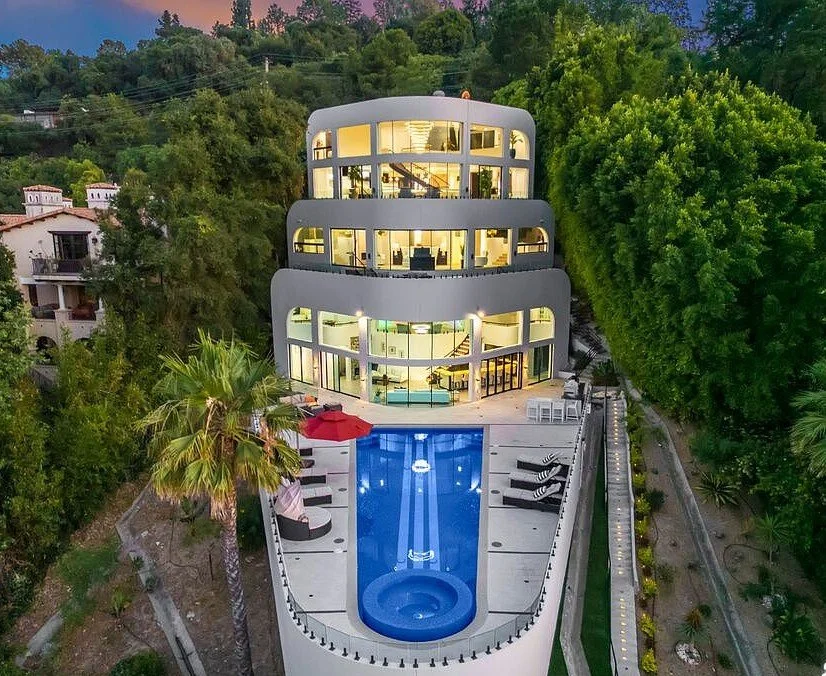
![A modern multi-story house with large windows, built into a hillside, featuring a swimming pool with a circular hot tub, outdoor loungers, and a patio with a red umbrella, surrounded by lush green trees.]()
The Boat House - Mulholland Drive
-
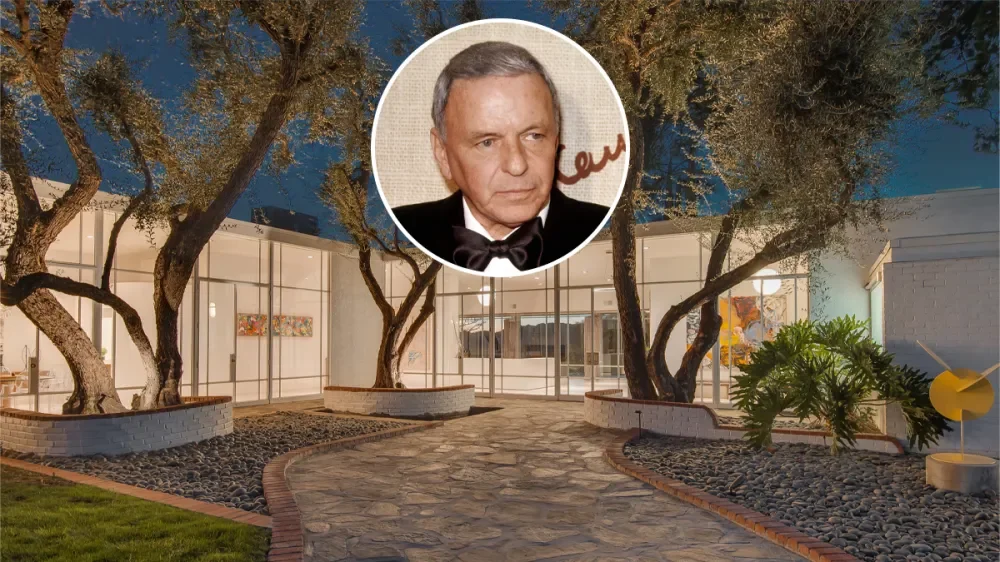
![A modern building with large glass windows, surrounded by trees and landscape lighting at night.]()
Fox Residence - Former Frank Sinatra Home
-
![Empty courtyard area in front of a modern building with glass doors and windows, a white car parked on the right, and a person walking in the distance.]()
Hotel Los Angeles
-
![A commercial building with a sign that reads 'GENTECH COATINGS' on the front, located along a road with some greenery and trees nearby.]()
Brea Commercial Property
-
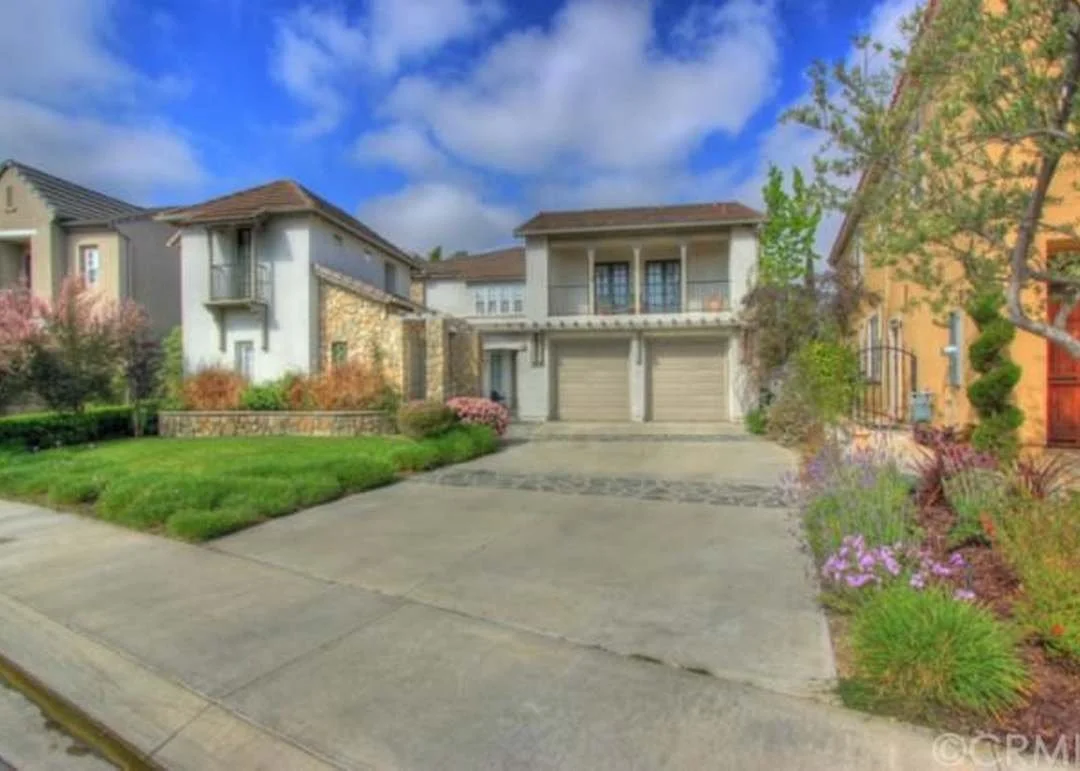
![Front view of a modern residential house with a driveway, two garage doors, and a landscaped front yard with bushes and flowering plants under a partly cloudy sky.]()
Coto de Caza
-
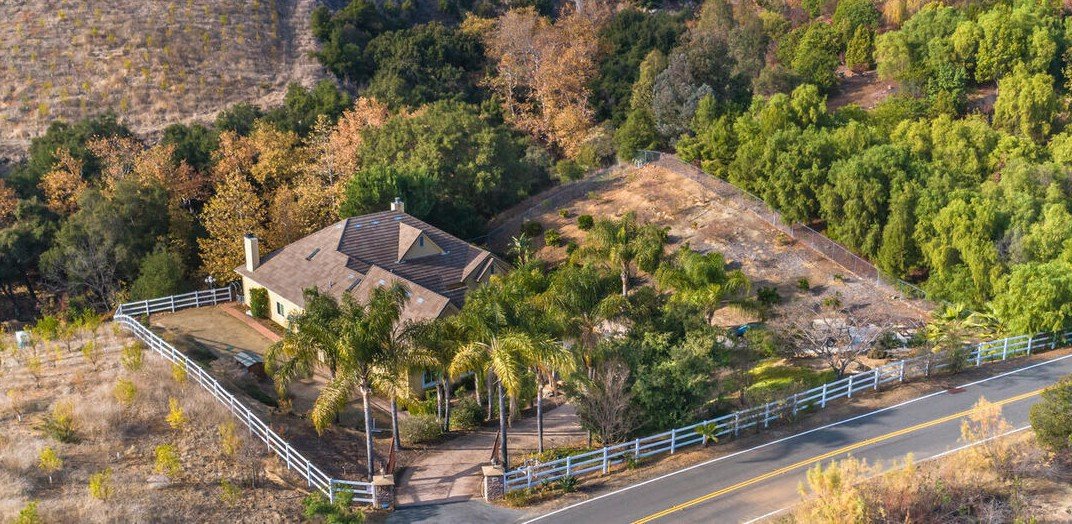
![A house with a brown roof and surrounded by trees and a white fence, located alongside a road in a hilly, green area.]()
Temecula
-
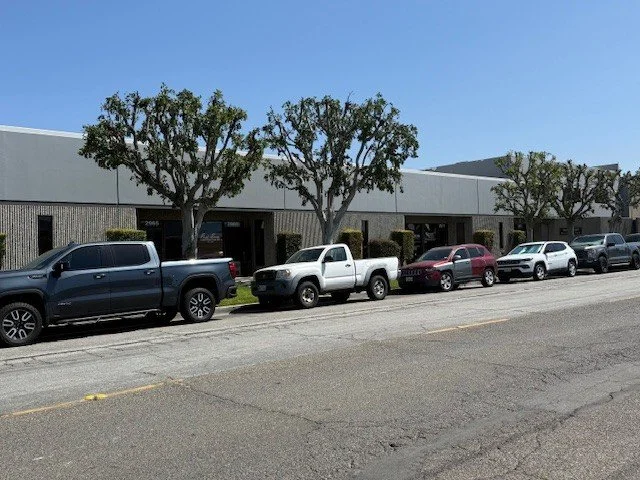
![Line of parked cars in front of a commercial building with trees along the sidewalk.]()
Anaheim Commercial
-
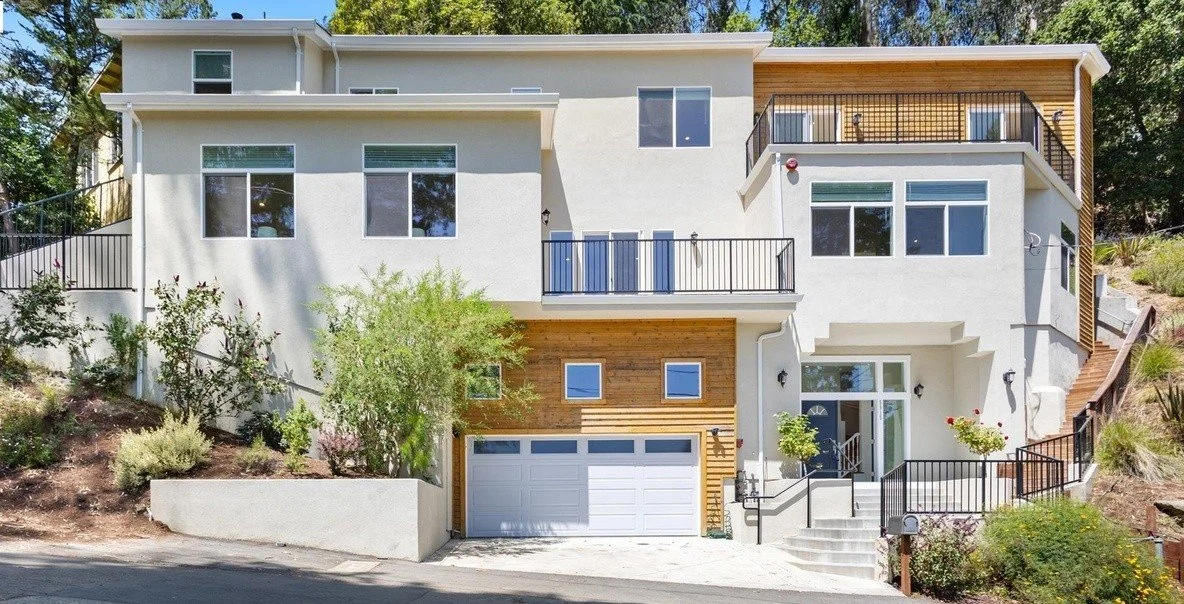
![Modern multi-story house with white and wood exterior, multiple windows, garage, and balconies with railings, surrounded by greenery.]()
Oakland
-
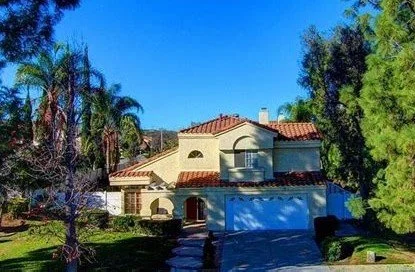
![A large two-story house with a red tile roof, beige walls, and a white garage door, surrounded by trees and a green lawn, under a clear blue sky.]()
Loma Linda
-
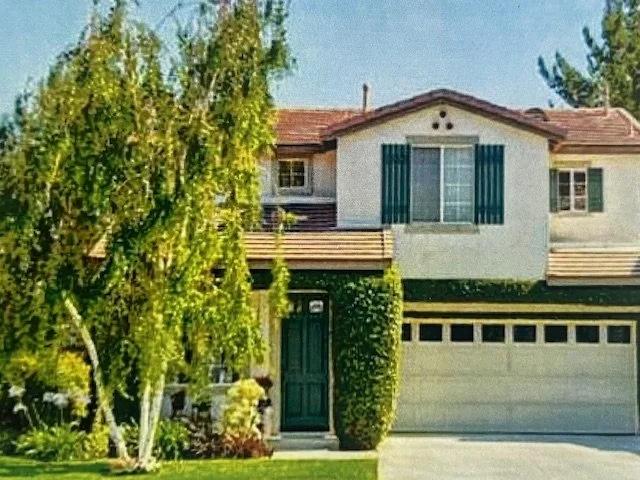
![Front view of a two-story house with a garage, a large tree, and green bushes.]()
Orange Hills
-
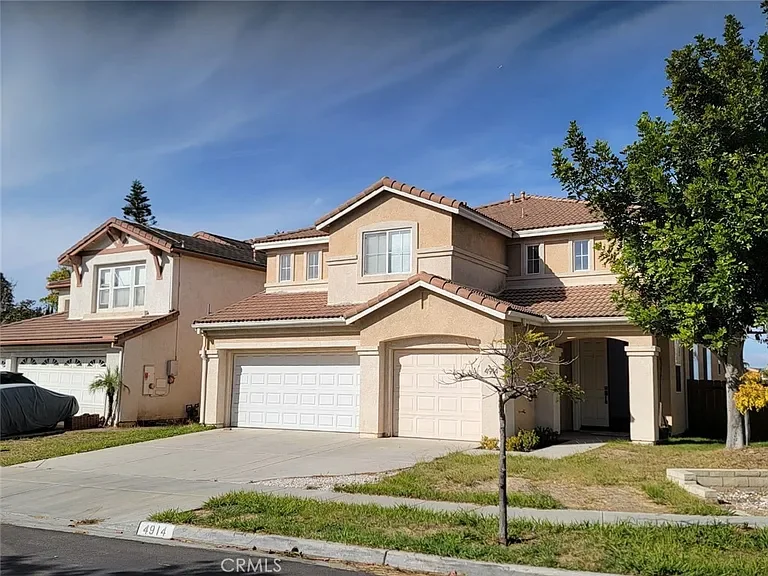
![Two-story beige house with a tiled roof, attached garage, and front yard with a small tree, located in a suburban neighborhood.]()
Surfcliff San Diego
-
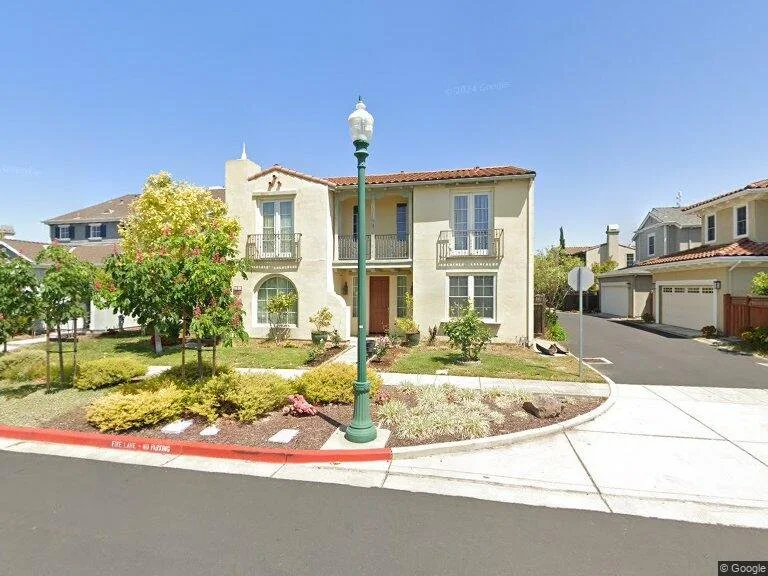
![A two-story beige house with a red front door, small balcony, surrounded by a garden with trees and bushes, on a corner lot with a lawn and sidewalk, under a clear blue sky.]()
Alameda
-
![Front view of a modern house with a tiled roof, three cars parked in the driveway, a small front yard with a tree, and a white fence. Bright sunny day with blue sky and clouds.]()
Santa Ana Heights